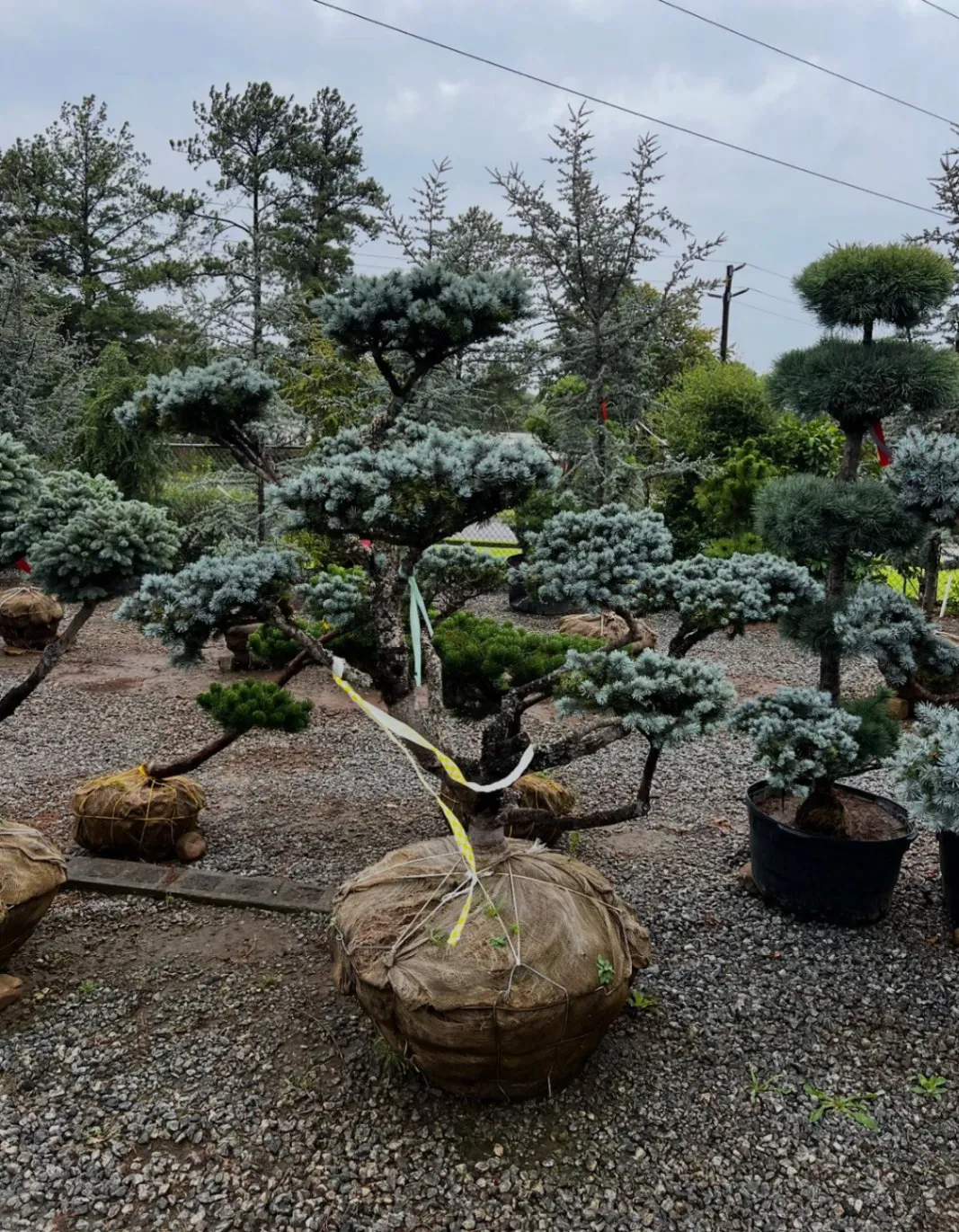
Choosing the Right Mulch for Your Garden
Mulching is a crucial aspect of garden care and landscaping that can significantly enhance the health and appearance of your garden. With various types of mulch available, selecting the right one can be overwhelming. This guide will help you understand the different kinds of mulch, their benefits, and how to choose the best option for your specific gardening needs.
Types of Mulch
Mulch can be categorized into two main types: organic and inorganic. Each type has unique properties and benefits.
Organic Mulch
Organic mulch is made from natural materials that decompose over time, enriching the soil. Common organic mulch types include:
- Bark chips
- Wood shavings
- Straw
- Grass clippings
- Leaves
- Compost
Inorganic Mulch
Inorganic mulch consists of synthetic materials or stones that do not decompose. Popular inorganic mulch options include:
- Rubber mulch
- Gravel
- Landscape fabric
- Plastic sheeting
Benefits of Using Mulch
Using mulch in your garden offers several advantages, including:
- Weed suppression
- Moisture retention
- Temperature regulation
- Soil enrichment (for organic mulch)
- Pest deterrence
- Aesthetic enhancement
Factors to Consider When Choosing Mulch
When selecting the right mulch for your garden, consider the following factors:
- Plant type: Different plants have specific mulch requirements.
- Climate: Some mulches perform better in certain climates than others.
- Soil type: Consider how the mulch will interact with your existing soil.
- Cost: Evaluate your budget for mulch materials.
- Appearance: Ensure the mulch complements your garden's aesthetic.
Plant Type
Different plants thrive with specific types of mulch. For instance, vegetable gardens often benefit from compost, while ornamental gardens may use decorative stones.
Climate Considerations
In hotter climates, organic mulch can help retain moisture, whereas in cooler regions, inorganic mulch might be preferred to avoid decomposition.
Application Tips
Applying mulch correctly is just as important as choosing the right type. Follow these tips for effective application:
- Remove weeds and debris from the area before applying mulch.
- Spread the mulch evenly to a depth of 2-4 inches.
- Keep mulch a few inches away from plant stems and tree trunks to prevent rot.
- Replenish organic mulch annually as it decomposes.
Conclusion
Choosing the right mulch for your garden is essential for successful gardening and landscaping. By understanding the types of mulch available and considering factors such as plant type, climate, and soil conditions, you can make an informed decision that benefits your garden. Remember to apply mulch correctly to maximize its advantages and enjoy a thriving outdoor space.
 .